
Travel
Ebola and Kenya: What Travellers Need to Know, and Why Nairobi Is Still Open and Ready
Hilary · October 17, 2026
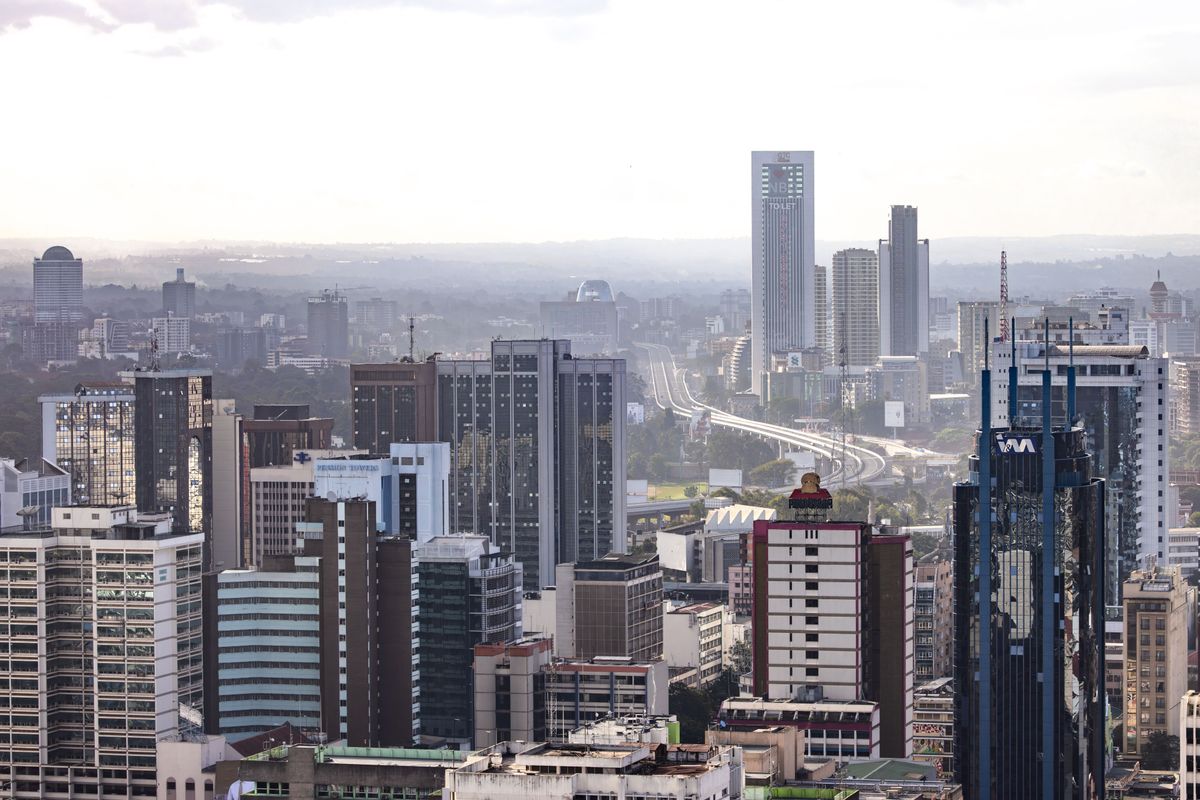
Ebola in Kenya: Latest Update for Nairobi Travellers -18 October 2026
Updated 18 October 2026 | Based on WHO, Kenya Ministry of Health information, Reuters and Associated Press reporting.
Planning a trip to Nairobi and concerned about recent Ebola headlines? Kenya has confirmed additional cases of Bundibugyo Ebola, but health authorities continue to trace contacts, isolate patients and strengthen surveillance.
As of 18 October, Kenya has reported seven confirmed Ebola cases, including one death. All seven are linked to the country's first imported case. Importantly, authorities have not reported evidence of uncontrolled community transmission, and Kenya remains open to international visitors.
Here is what travellers should know.
1. Latest developments: Seven confirmed cases
The outbreak originated in the Democratic Republic of the Congo (DRC), where Bundibugyo Ebola has been spreading since May 2026.
Kenya confirmed its first imported case on 6 October after a Kenyan citizen travelled from the DRC through Uganda and arrived in Nairobi on 3 October. The patient was hospitalized and isolated but died on 5 October.
Two additional cases were confirmed on 14 and 16 October, involving family members of the first patient.
On 17 October, Kenya confirmed four more infections, bringing the national total to seven. The newly confirmed patients include three healthcare workers who treated the first patient and another relative. All four were already in quarantine when diagnosed.
This confirms that limited local transmission has occurred among close contacts, including healthcare workers. However, there is still no reported evidence of wider community transmission.
2. Kenya's preparedness and response
Kenya began strengthening its Ebola preparedness in May 2026, before the first case was detected.
With WHO support, the country has:
Trained approximately 5,000 healthcare workers in Ebola prevention and management.
Screened more than 652,000 travellers by 6 October.
Identified and assessed isolation facilities across 27 high-risk counties.
Received approximately 1,000 diagnostic tests and 1,000 protective equipment kits.
Improved its preparedness assessment score from 66% in May to 82% in July 2026.
These measures provide an established foundation for identifying and responding to suspected infections.
3. Contact tracing: Containing the outbreak
Contact tracing remains central to Kenya's response.
Health authorities identified approximately 130 people who had contact with the first patient, including family members, healthcare workers and fellow travellers.
By 17 October, 128 contacts had been traced and quarantined, while efforts continued to locate the remaining two.
The newly confirmed cases were detected among people already under quarantine. This reduces opportunities for further exposure, although continued monitoring remains essential.
Contacts are monitored for symptoms throughout the 21-day incubation period.
4. WHO and international support
The World Health Organization continues to assist Kenya's Ministry of Health with surveillance, laboratory testing, infection prevention, contact tracing and clinical response.
WHO has also supplied approximately US$70,000 worth of medical equipment and emergency supplies.
Nairobi hosts a regional emergency preparedness and response hub, helping facilitate the deployment of supplies and technical assistance.
Regional Office for Africa
5. Is Nairobi open to international travellers?

Yes. Kenya remains open to international travel.
As of 18 October 2026, the Kenyan government has not introduced nationwide travel bans, restrictions on public gatherings or general tourism closures because of these cases.
WHO continues to advise against travel and trade restrictions on Kenya, Uganda and the DRC based on available information.
This means travellers can continue planning Nairobi visits, business meetings and safaris, while following public-health guidance.
However, WHO's position on travel restrictions should not be interpreted as a guarantee that transmission cannot occur. Visitors should monitor official updates, particularly if travelling through affected regions.
6. How Ebola spreads
Ebola spreads through direct contact with infected blood or other bodily fluids, or with contaminated objects and materials.
It is not transmitted through ordinary airborne spread like measles.
People with Ebola are not considered infectious before symptoms begin.
For most visitors staying in Nairobi, the likelihood of exposure is substantially lower than for healthcare workers, caregivers or people with direct contact with infected patients.
Visitors should avoid contact with the bodily fluids of anyone who is ill and follow standard hygiene precautions.
Regional Office for Africa
7. Symptoms and treatment
Early symptoms may include fever, fatigue, headache, muscle pain and sore throat. Vomiting and diarrhoea may develop later.
These symptoms can resemble malaria and other common illnesses, so symptoms alone cannot establish an Ebola diagnosis.
There is currently no approved vaccine or virus-specific treatment for Bundibugyo Ebola. Medical care focuses on supportive treatment, including hydration and managing complications. Early treatment can improve outcomes.
Anyone who develops symptoms after a possible Ebola exposure should contact a healthcare provider or public-health authority immediately, disclose their travel and exposure history, and follow instructions before visiting a facility.
8. Practical advice for Nairobi visitors
Check official travel guidance before departure, including requirements from your airline and home country.
Cooperate with airport health screening and provide accurate travel and exposure information.
Practise good hygiene, including regular handwashing.
Avoid direct contact with bodily fluids of people who are ill.
Seek medical advice promptly if you develop symptoms after a possible exposure.
Maintain appropriate travel insurance, including medical coverage.
9. Frequently asked questions
Is Nairobi safe to visit?
Kenya remains open to travellers, and authorities have not reported uncontrolled community transmission. However, seven cases have been confirmed, including infections among healthcare workers, so continued caution is appropriate.
Are tourists at high risk of Ebola?
Ordinary tourist activities generally involve a low likelihood of exposure because Ebola transmission requires contact with infectious bodily fluids or contaminated materials.
Have there been new cases?
Yes. Four additional cases were announced on 17 October, increasing the total from three to seven.
Are flights and hotels operating?
No nationwide travel restrictions have been announced in response to the outbreak. Travellers should still verify individual flight schedules and accommodation arrangements.
Could more cases be confirmed?
Yes. Additional infections could be identified among monitored contacts, and the situation may change as investigations continue.
10. The bottom line: Nairobi remains open, with precautions
Kenya's Ebola situation has changed since 16 October, with confirmed cases increasing from three to seven. The new infections demonstrate that transmission has occurred among close contacts, including healthcare workers.
Nevertheless, the detection of cases among quarantined contacts, ongoing surveillance and international support remain important elements of the response.
For travellers, the key message is straightforward: Kenya remains open, WHO has not recommended travel restrictions, and visitors should stay informed and follow sensible health precautions.
Official information and further reading
Editorial note: This article reflects information available on 18 October 2026. Case numbers, health measures and travel recommendations may change. Travellers should consult official sources before departure.
Planning a trip to Nairobi?
Browse our homes →