
Travel
Planning a trip to Nairobi? Here's what most travelers search before they go; visa and eTA rules, safety, currency, packing, SIM cards, and getting around
Curated Lofts · August 11, 2026

Every trip to Nairobi starts with the same round of googling: do I need a visa, is it safe, what's the weather like, what should I pack. If you're in that research phase right now, here's a single guide covering what most travelers actually look up before they land, so you can stop opening twelve tabs and start packing.
1. "Do I need a visa for Kenya?"

Yes, in almost all cases, but it's not a traditional visa anymore. Since January 2024, Kenya replaced its visa stickers with a fully electronic system called the eTA (Electronic Travel Authorisation), applied for online before you travel rather than issued at the airport.
Key points to know:
The eTA is applied for online at etakenya.go.ke and generally costs around USD 30. Apply directly through the official government portal , third-party sites will charge you extra for the same service.
There is no more visa-on-arrival to fall back on, so it needs to be sorted before you fly, not after you land.
Citizens of most African countries can currently enter Kenya visa-free for stays of up to 60 days without needing an eTA at all.
Every traveler needs a passport valid for at least six months beyond the planned stay.
Each person traveling; including infants, needs their own separate eTA application.
Apply a few days ahead of travel rather than the night before, since approval isn't always instant.
2. "Do I need a yellow fever vaccine for Kenya?"
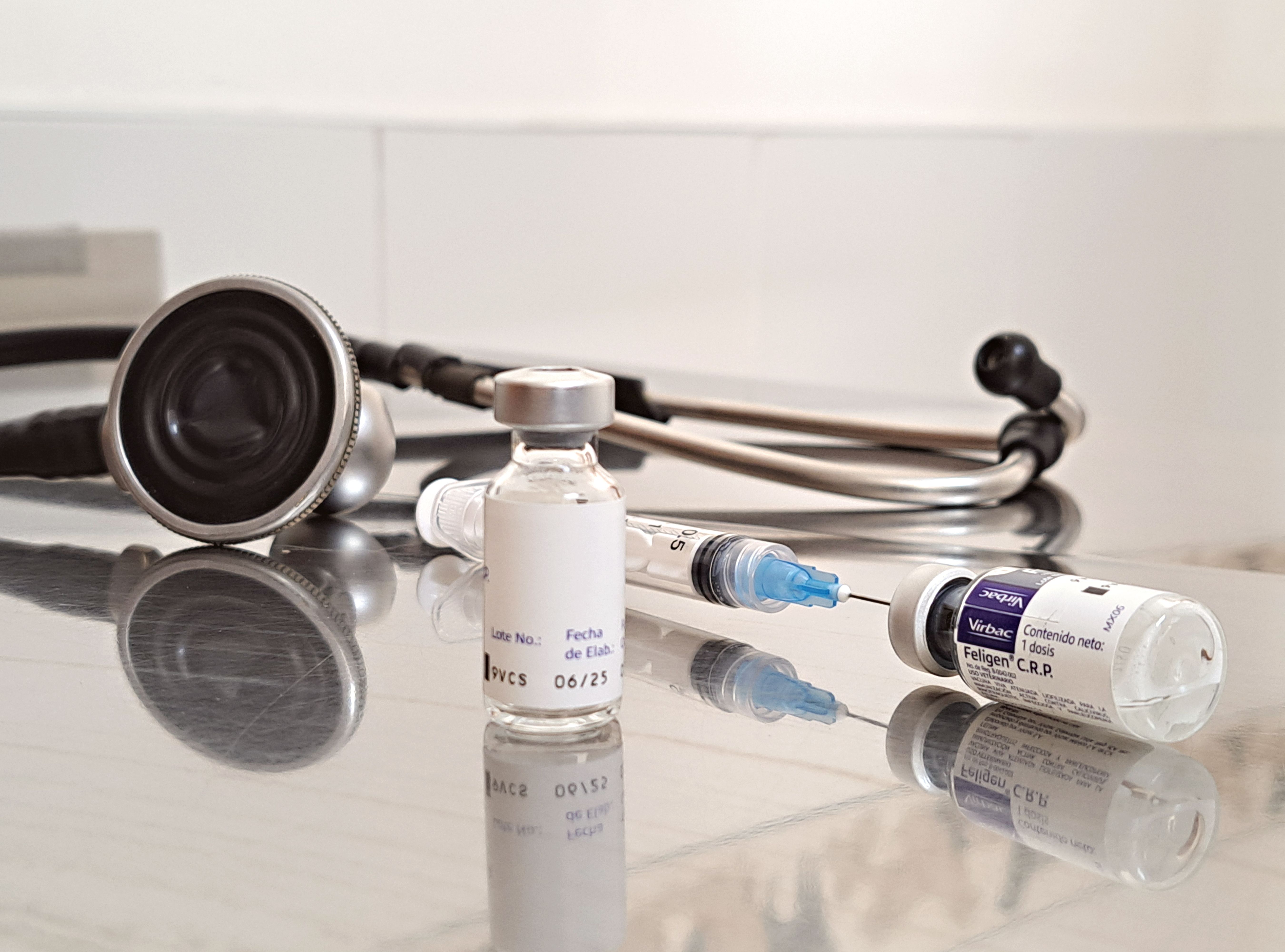
Only in specific cases. A yellow fever certificate is required if you're arriving from, or have transited through, a country where yellow fever is endemic but it's not required if you're flying in directly from non-endemic regions like the UK, US, or most of Europe. If your itinerary routes through a country in West or Central Africa, or parts of South America, check this before you fly, as it can affect boarding, not just entry.
3. "Is Nairobi safe for tourists?"

This is one of the most-searched questions, and the honest answer is: like any major capital city, it depends on where you are and how you move around. Nairobi's business and residential neighborhoods Westlands, Kilimani, Lavington, Riverside are generally comfortable for visitors, especially with the kind of everyday precautions you'd take in any large city:
Use a trusted ride-hailing app or a pre-arranged transfer rather than hailing an unmarked taxi, particularly at night.
Keep valuables out of sight in public spaces and vehicles.
Choose accommodation with secure parking, gated access, and 24/7 security rather than assuming any address is equally safe.
Avoid walking alone late at night in unfamiliar areas, this applies in most major cities, and Nairobi is no exception.
Booking a serviced apartment or hotel with a concierge you can message directly also gives you a local point of contact if you're ever unsure about an area or situation.
4. "What's the weather like in Nairobi?"
Nairobi's altitude (roughly 1,795 meters above sea level) keeps temperatures mild year-round typically between 12°C and 26°C, with cooler evenings even in the warmest months. There isn't a brutal hot season the way there is at the coast. The two rainy periods to plan around are the long rains (roughly March to May) and the short rains (roughly October to November). Outside those windows, expect dry, sunny days and cool nights.
5. "What should I pack for Nairobi?"
Because of the mild, altitude-driven climate, packing for Nairobi looks different from packing for a typical tropical trip:
Layers — a light jacket or sweater for cool mornings and evenings, even in the dry season.
Comfortable walking shoes — pavements and compound courtyards vary in quality.
A universal power adapter — Kenya uses the UK-style Type G plug.
Rain-ready gear — a compact umbrella or light rain jacket if you're traveling during the rainy seasons.
Modest, smart-casual clothing — appropriate for business meetings, nice restaurants, and cultural sites alike.
Sunscreen — the equatorial sun is stronger than the mild temperatures suggest.
6. "Do I need cash, or can I use cards?"
Both, but lean toward having some cash and mobile money on hand. Kenya runs heavily on M-Pesa, a mobile money system used everywhere from taxis to small restaurants, many short-term visitors set up a local SIM specifically to access it. Cards are widely accepted at hotels, malls, and larger restaurants, but smaller vendors, some taxis, and local markets often expect cash (Kenyan shillings) or M-Pesa. Withdrawing shillings from an ATM on arrival is usually simpler than exchanging cash in advance.
7. "Should I get a local SIM card?"
Most travelers do, and it's straightforward, SIM registration counters are available at Jomo Kenyatta International Airport (JKIA), and Safaricom is the dominant network with the best coverage across the city. A local SIM gives you affordable data, access to M-Pesa, and a Kenyan number for ride-hailing apps and hotel bookings, all of which make the rest of the trip noticeably smoother.
8. "How do I get around Nairobi?"
Traffic is one of the most consistently searched concerns, and it's a fair one Nairobi's roads get congested, especially during weekday rush hours (roughly 7–9am and 5–7pm). Your main options:
Ride-hailing apps (Uber, Bolt, Little) — the most straightforward option for visitors, with upfront pricing.
Pre-arranged airport transfers — many serviced apartments and hotels offer this, which removes the guesswork of arriving late at night.
Private drivers — a common choice for business travelers who need reliability across multiple meetings in a day.
Matatus (shared minibuses) — cheap and widely used by locals, but not the easiest system for first-time visitors to navigate.
If your schedule is tight, plan extra buffer time between anything scheduled during rush hour.
9. "Where should I stay in Nairobi?"
This depends heavily on the purpose of your trip. Business travelers tend to prioritize Westlands or Riverside for proximity to offices and the CBD. Families and longer-term visitors often prefer the quieter, greener streets of Lavington. Remote workers and shorter-stay visitors frequently land in Kilimani for its walkability and café culture. Whichever you choose, a serviced apartment with self check-in and 24/7 concierge support removes a lot of the friction of arriving in an unfamiliar city, no front desk hours to work around, and someone to message if anything comes up.
10. "What's the electricity and internet situation?"

Kenya runs on 240V with UK-style Type G plugs, so bring an adapter if you're traveling from a country using a different standard. Internet access is generally reliable in Nairobi's business districts and residential neighborhoods, with fiber connections common in serviced apartments and hotels worth confirming directly if you need to work remotely during your stay.
Quick Pre-Trip Checklist
Apply for your Kenya eTA online, ahead of travel
Check if you need a yellow fever certificate based on your routing
Confirm your passport has 6+ months of validity remaining
Pack layers, comfortable shoes, and a Type G adapter
Arrange an airport transfer in advance if arriving at night
Plan to pick up a local SIM on arrival
Withdraw some Kenyan shillings once you land
Book accommodation in a neighborhood that fits your trip's purpose
Curated Lofts offers serviced apartments across Westlands, Kilimani, Lavington, and Riverside, with complimentary airport transfers on stays of 7+ nights and a 24/7 concierge to help you settle in before your trip. Visit curatedlofts.com
This guide reflects entry requirements and travel information current as of 2026. Rules can change, so confirm the latest visa and health requirements at etakenya.go.ke before you travel.
Planning a trip to Nairobi?
Browse our homes →